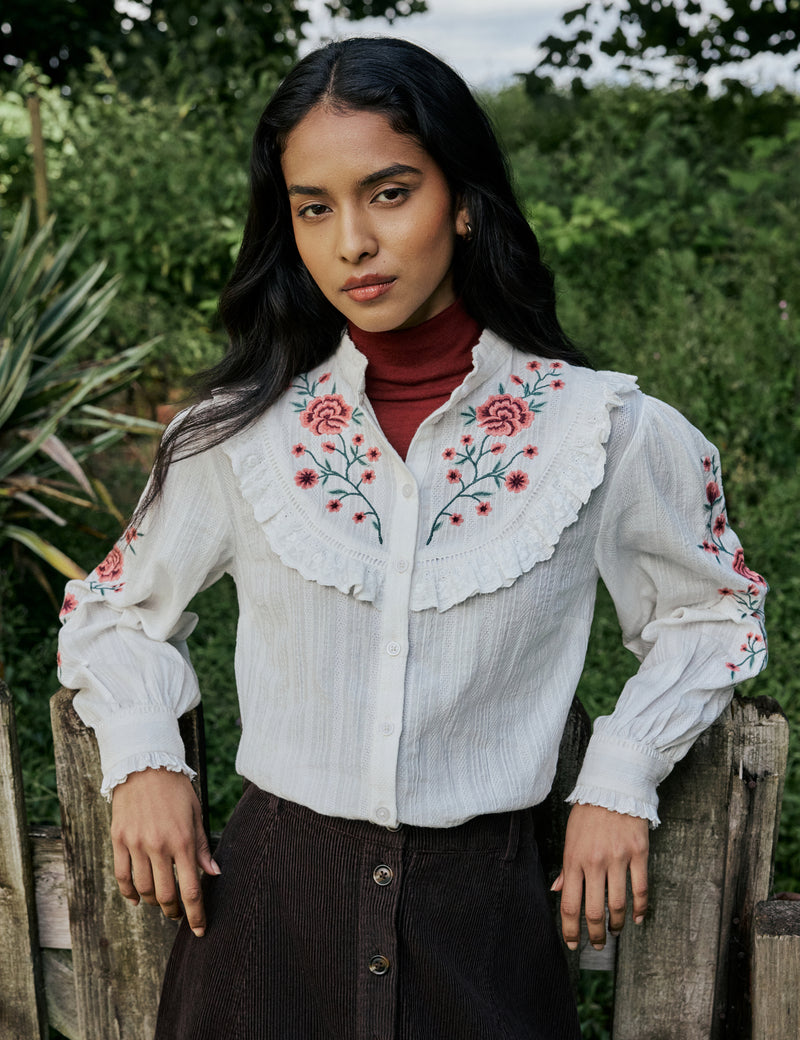


Product

At Nobody’s Child, we believe in beautiful clothes that reflect our values. We’re committed to continually monitoring our environmental impact, tracking progress against our traceability targets, materials matrix, and circular design principles. We are also exploring services that help our clothes live their best, longest lives. Here’s how we’re doing it.

MATERIALS: where it all begins

The journey of every garment starts with the materials we choose. We’re passionate about using fabrics from sources, including certified organic cotton, certified recycled fibres, and certified responsibly managed forestry.

But we’re not stopping there, we’re constantly exploring innovative new materials to keep our collection evolving, and to reduce our impact every step of the way.

Materials Matrix: overview 

In 2024, we developed our Materials Matrix, an internal tool which provides a breakdown of how we grade our fibres for decision - making, target setting, and reporting.

In this matrix, fabrics are categorised into five key areas:

ICONS - we’re obsessed with
GREAT- we love using
GOOD - we prefer using
Okay - we sometimes use if no alternative
RESTRICTED - only use in very small quantities

We aim only to source materials in the first three categories (Icons, Great and Good) and only use fabrics in the Okay and Restricted sections when absolutely necessary. Last year (FY24), 36% of our materials were Icons, 38% were Great and 15% were Good.

DESIGN PRINCIPLES

Designed for the Long Run

Our design team is guided by our Materials Matrix and our circular design principles, with durability, repairability, and recyclability in mind. We’ve reimagined design, focusing on the details that make a difference. Whether it’s a dress or a pair of jeans, we assess every product group through the lens of our Materials Matrix and aim for monomaterial construction wherever possible. This helps our sustainability team work closely with design to celebrate what’s working, and keep pushing for better. 

51.4% of clothing in FY24 was monomaterial, read more about the product breakdown in our impact report.

CIRCULAR BUSINESS MODELS

Keeping It in Circulation

Circularity is a key pillar of our sustainability strategy. Our ambition is simple: to keep clothes in use and loved for as long as possible.
To support this, we have three circular business models in place: repair, rental, and resale,  all designed to extend the life of your clothes and keep them in circulation.

01
RENTAL: we’re all about sharing

Established in 1989, Chottani Industries has grown to be one of the leading apparel solution providers in Pakistan. Through a wide Product Portfolio ranging from Denim Jeans to Knit Joggjeans and Jackets to OverAlls, the company has earned it’s goodwill from reputed brands across the globe.

02
REPAIR & ALTERATIONS: Made to Last and Made to Fit

In 2024, we partnered with SOJO to offer door-to-door repair and alterations, making it easier than ever to extend the life of your favourite NC pieces. Whether it’s adjusting the fit of your favourite NC dress or breathing new life into an older piece, we’re making it easier to keep your wardrobe working for you. We’re proud signatory of SOJO’s Pledge to Repair initiative, a coalition of brands and citizens that aim to spotlight repair as a key part of circular fashion. Together, we're proving that small fixes can make a big difference.

03
TAKE BACK & RESALE: Loved Once, Loved Again

Pieces should always be given a second chance. In 2025, we launched our take-back trial with Reskinned, where pre-loved NC pieces get a second life and our customer can refresh their wardrobes while reducing potential waste. Our pieces collected through takeback are available to buy through our NC x Reskinned eBay store, showcasing a range of pre-loved pieces, including some donated by our very own team.

Packaging: Thoughtful Choices 

Our paper mailers are made from 100%  FSC certified recycled paper and are widely recyclable. While we still use 100% recycled plastic polybags to protect your orders, we understand they’re not the perfect solution and are always exploring ways to eliminate plastic altogether.

Our polybags are recyclable at large supermarkets and we encourage you to check out the local options available to you. Innovations like biodegradable packaging are on our radar, but we want to ensure they break down naturally and can be properly managed by existing recycling streams.

DIGITAL PRODUCT PASSPORT Transparency is key. That’s why in 2023, we started out on our Digital Product Passport (DPP) journey.

Would you like to be notified when this item becomes available?

Enter your email address below and we'll let you know.

Thank you, we’ll be in touch soon!

Select size

Choose Size

Reviews

Fit:

Runs Small

True to size

Runs Large

Length:

Runs Short

True to size

Runs Long